Lab-Grown Diamond Engagement Rings in Austin: Complete Buyer's Guide
Lab-grown diamonds offer the same beauty, hardness, and brilliance as mined diamonds at a fraction of the cost. Here is everything Austin buyers need to know before making this increasingly popular choice.
What Are Lab-Grown Diamonds?
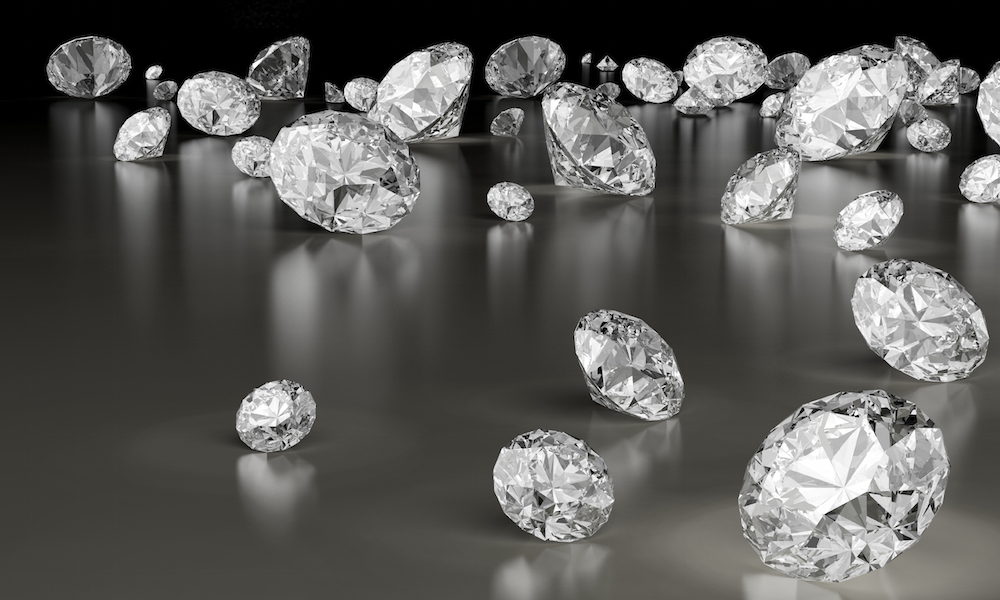
Lab-grown diamonds -- also called lab-created, man-made, or cultured diamonds -- are real diamonds produced in controlled laboratory environments rather than mined from the earth. They are not simulants like cubic zirconia or moissanite. They are genuine diamonds with the exact same chemical composition (pure crystallized carbon), crystal structure, hardness (10 on the Mohs scale), refractive index, and optical properties as natural diamonds.
The Federal Trade Commission (FTC) recognizes lab-grown diamonds as real diamonds. Even trained gemologists cannot tell the difference between a lab-grown and a natural diamond using standard gemological tools -- specialized equipment that detects trace growth patterns is required to identify a stone's origin.
At Diamonds Above in Austin, we have carried lab-grown diamonds for years and have watched them grow from a niche alternative to a mainstream choice. Today, roughly half of our engagement ring clients choose lab-grown stones, drawn by the combination of exceptional value and identical beauty.
How Lab-Grown Diamonds Are Made
There are two primary methods for growing diamonds in a laboratory, and both produce genuine diamonds:
HPHT (High Pressure High Temperature)
This method replicates the natural conditions under which diamonds form deep within the Earth. A small diamond seed is placed in a growth chamber with a carbon source, then subjected to extreme pressure (about 1.5 million pounds per square inch) and temperatures exceeding 2,700 degrees Fahrenheit. Over several days to weeks, carbon atoms crystallize around the seed, forming a larger diamond.
HPHT diamonds tend to have slightly different growth patterns than CVD diamonds and may occasionally show a subtle yellow or brown tint that requires post-growth treatment. However, gem-quality HPHT diamonds are indistinguishable from natural diamonds in appearance.
CVD (Chemical Vapor Deposition)
CVD is the newer and increasingly dominant method. A diamond seed is placed in a vacuum chamber and exposed to a carbon-rich gas (typically methane). The gas is heated to create a plasma, and carbon atoms in the plasma gradually deposit onto the seed crystal, building up the diamond layer by layer.
CVD diamonds are grown at lower pressures than HPHT and tend to produce stones with fewer metallic inclusions. Most high-quality lab-grown diamonds on the market today are CVD-grown. The process typically takes 2-4 weeks for a gem-quality stone.
Quality Comparison: Lab-Grown vs. Natural
Lab-grown diamonds are graded using the exact same 4 C's system as natural diamonds: Cut, Color, Clarity, and Carat. Here is how they compare:
| Property | Natural Diamond | Lab-Grown Diamond |
|---|---|---|
| Chemical Composition | Pure carbon | Pure carbon |
| Hardness (Mohs) | 10 | 10 |
| Refractive Index | 2.42 | 2.42 |
| Brilliance & Fire | Exceptional | Identical |
| Available Grades | Full range (D-Z, FL-I3) | Full range (D-Z, FL-I3) |
| Certification | GIA, IGI, AGS | GIA, IGI |
| Resale Value | Retains 30-50% of retail | Limited resale market |
| Price (per carat) | $$$$ | $-$$ |
The bottom line: in terms of beauty, durability, and wearability, lab-grown and natural diamonds are identical. The differences lie in origin, resale value, and price.
Austin Market Pricing in 2026
Lab-grown diamond prices have continued to become more accessible as production technology scales. Here is Diamonds Above showroom pricing for loose stones at D–F color, VS1–VVS1 clarity, Excellent cut (any shape):
| Lab-Grown Size | Lab-Grown Price | Natural Size at Same Budget |
|---|---|---|
| 1.00 ct | $975 – $1,250 | ~1/3 ct |
| 2.00 ct | $1,750 – $2,350 | ~1/2 ct |
| 3.00 ct | $2,950 – $3,750 | ~0.75–0.85 ct |
| 4.00 ct | $4,300 – $4,950 | ~0.90–0.95 ct |
| 5.00 ct | $5,500 – $8,500 | ~1.00–1.25 ct |
These prices are for the loose diamond only. Mountings add $1,200–$2,800 for lab-grown pairings or $1,700–$4,500 for natural-paired settings, depending on gold weight, pavé sides, and hidden-halo detail. At Diamonds Above, we can show you real stones at each of these price points so you can evaluate the value firsthand.
See Lab-Grown Diamonds in Person
The best way to appreciate a lab-grown diamond is to see one next to a natural diamond of the same grade. Visit us for a side-by-side comparison.
Certification: IGI vs. GIA
Always buy a certified lab-grown diamond. The two leading certification bodies are:
IGI (International Gemological Institute)
IGI is the most widely used lab for grading lab-grown diamonds. They were early adopters of lab-grown certification and have established rigorous grading standards. IGI reports include the full 4 C's grading, a plotted diagram of inclusions, proportions, and a clear disclosure that the diamond is laboratory-grown. The vast majority of lab-grown diamonds on the market carry IGI certification.
GIA (Gemological Institute of America)
GIA is the gold standard for natural diamond grading and has expanded its lab-grown diamond reports to include full 4 C's grading (previously they used descriptive ranges). GIA-certified lab-grown diamonds carry the most recognized name in gemology. However, GIA lab-grown reports are less common than IGI due to higher certification costs.
At Diamonds Above, we sell lab-grown diamonds certified by both IGI and GIA. Both are reputable and reliable. The most important thing is that your diamond comes with a certificate from a recognized independent laboratory -- never buy an uncertified diamond.
Best Diamond Shapes for Lab-Grown
Lab-grown diamonds are available in every shape that natural diamonds come in. However, some shapes offer particularly good value in lab-grown:
- Round Brilliant -- the most popular shape, offering maximum sparkle. Lab-grown rounds are where you see the largest absolute dollar savings compared to natural.
- Oval -- hugely popular in 2026. Ovals face up larger than rounds of the same carat weight, and lab-grown pricing makes 1.50-2.00ct ovals remarkably affordable.
- Cushion -- beautiful brilliance with a vintage feel. Lab-grown cushions in the 1.50-2.50ct range are a standout value.
- Emerald -- the step-cut facet pattern shows exceptional clarity in lab-grown stones, which tend to have fewer inclusions than natural emerald-cut diamonds at similar grades.
- Radiant -- combines the brilliance of a round with the shape of an emerald cut. Outstanding value in lab-grown, especially in larger sizes.
- Pear -- elegant and elongating on the finger. Lab-grown pears in the 1.50-2.00ct range are a fraction of natural prices.
When selecting a shape for a lab-grown diamond, the same quality considerations apply as for natural diamonds. Read our diamond education guide for shape-specific advice on what to look for in terms of proportions and quality.
Where to Buy Lab-Grown Diamonds in Austin
Austin's jewelry market has embraced lab-grown diamonds, and you have several options for shopping locally:
Independent Jewelers
Local independent jewelers like Diamonds Above offer the best combination of expertise, selection, and value. We carry a wide inventory of certified lab-grown diamonds and can source specific stones to your exact specifications within days. You get personalized service from knowledgeable gemologists who can answer your questions in depth.
National Chains
Many national jewelry chains now carry lab-grown diamonds, but their selection tends to be limited and prices are often higher due to overhead and brand markups. Staff knowledge about lab-grown diamonds can vary significantly.
Online Retailers
Online retailers often have the largest inventories and competitive pricing, but you cannot see the diamond in person before purchasing. If you shop online, we recommend having the stone inspected by a local jeweler after purchase to verify it matches the certificate.
We recommend starting your search in person so you can see lab-grown diamonds with your own eyes, compare them to natural diamonds, and experience the sparkle and fire firsthand. At Diamonds Above, we maintain an extensive selection and can also source any specific stone you are looking for.
What to Look For When Buying
Follow these guidelines to ensure you get a high-quality lab-grown diamond:
- Certification is mandatory -- only buy diamonds with IGI or GIA certification. The certificate confirms the 4 C's and verifies the stone is laboratory-grown.
- Prioritize cut quality -- just like natural diamonds, cut is the most important factor for visual beauty. Insist on Excellent or Ideal cut grades.
- Check for fluorescence -- some lab-grown diamonds exhibit strong fluorescence, which can make the stone appear hazy in certain lighting. Faint or no fluorescence is generally preferred.
- Inspect for strain patterns -- some CVD-grown diamonds develop internal strain during growth that can affect light performance. A knowledgeable jeweler will identify and avoid these stones.
- Compare in person -- certificates tell part of the story, but nothing replaces seeing the diamond with your own eyes. Two stones with identical grades can look noticeably different.
- Verify the laser inscription -- certified lab-grown diamonds have a microscopic laser inscription on the girdle that matches the certificate number and typically includes "LG" or "Lab Grown."
Frequently Asked Questions
Are lab-grown diamonds real diamonds?
Yes. Lab-grown diamonds have the same chemical composition, crystal structure, optical properties, and hardness as mined diamonds. The FTC recognizes them as real diamonds. Even gemologists cannot distinguish them without specialized equipment.
How much cheaper are lab-grown diamond engagement rings in Austin?
Lab-grown diamonds typically cost 40-80% less than natural diamonds of equivalent quality. A 1.50-carat lab-grown with excellent cut, G color, and VS2 clarity might cost $1,800-$3,500, versus $10,000-$14,000 for a comparable natural diamond.
Do lab-grown diamonds hold their value?
Lab-grown diamonds have limited resale value compared to natural diamonds. However, most engagement rings are not purchased as investments. The significant upfront savings on a lab-grown diamond can be redirected toward other priorities.
What certification should a lab-grown diamond have?
We recommend IGI or GIA certification. Both organizations grade lab-grown diamonds using the same 4 C's criteria as natural diamonds. At Diamonds Above, every lab-grown diamond we sell comes with an IGI or GIA certificate.
Ready to Explore Lab-Grown Diamonds?
Lab-grown diamonds represent one of the most exciting developments in the jewelry industry, offering stunning beauty and exceptional value. Whether you are drawn to the savings, the technology, or simply the quality of the stones, we are here to help you make an informed decision.
Visit our lab-grown diamond collection, learn more in our diamond education center, or explore custom design options to create your dream ring. When you are ready, at our Austin showroom.
Walk-ins are always welcome at 4101 Guadalupe St, Suite 600, Austin, TX 78751. Call us at (512) 206-4156 or visit Tuesday through Thursday, 11 AM to 4 PM and Friday through Saturday, 11 AM to 3 PM.