Why Gemstone Engagement Rings Are Trending in 2026
Colored gemstones are having a major moment. Sapphires, emeralds, rubies, and morganite are capturing the hearts of couples who want an engagement ring as unique as their love story.
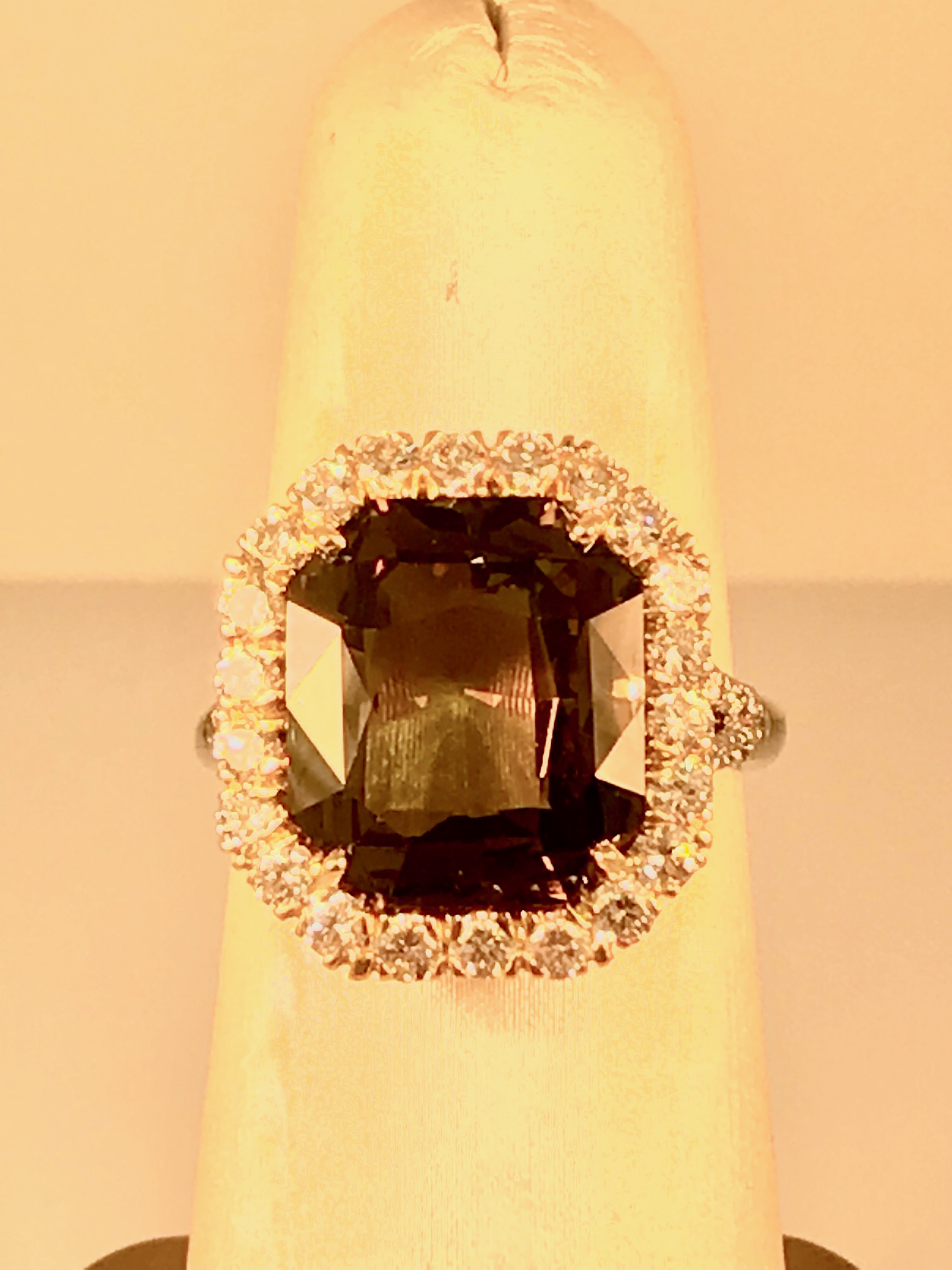
Why Gemstone Rings Are Surging in Popularity
For decades, diamonds held a near-monopoly on the engagement ring market. That is changing rapidly. In 2026, colored gemstone engagement rings account for a growing share of the market, driven by several converging factors.
Celebrity Influence
High-profile gemstone engagement rings have played a significant role in shifting public perception. When prominent figures choose sapphires, emeralds, and rubies over traditional diamonds, it signals that a colored stone is not a lesser choice but a deliberate, stylish one. These moments normalize gemstone rings and inspire couples who want to break from convention.
The Uniqueness Factor
Today's couples increasingly value individuality over tradition. A colored gemstone immediately sets a ring apart from the sea of diamond solitaires. Every sapphire, emerald, and ruby has its own unique color saturation, tone, and character. Two sapphires of the same carat weight can look completely different, meaning your ring is truly one of a kind.
Generational Shift
Millennial and Gen Z couples are less bound by the marketing traditions that positioned diamonds as the only acceptable engagement stone. They research more, question conventions, and prioritize personal meaning over societal expectation. For many, a gemstone that reflects their partner's personality, birthstone, or favorite color carries more emotional weight than a colorless diamond.
Sustainability Awareness
While both gemstone and diamond mining have environmental impacts, some couples perceive colored gemstones -- particularly lab-created options -- as a more conscious choice. The broader conversation around ethical sourcing has made buyers more open to alternatives, and colored gemstones benefit from that openness.
Sapphire: The Classic Alternative
Sapphire is the most popular diamond alternative for engagement rings, and for good reason. With a hardness of 9 on the Mohs scale (just below diamond at 10), sapphires are exceptionally durable for everyday wear. They come in virtually every color, though the deep royal blue remains the most coveted and recognizable.
Why Choose a Sapphire
- Incredible durability. At 9 on the Mohs scale, sapphires resist scratching from nearly everything except diamonds. They are one of the very few gemstones that can withstand decades of daily wear without visible damage.
- Color variety. Beyond blue, sapphires come in pink, yellow, orange (padparadscha), green, and white. Pink sapphires have become particularly popular as an alternative to morganite with superior hardness.
- Historical prestige. Sapphires have adorned royalty for centuries. They carry a heritage and gravitas that adds depth to the choice beyond aesthetics alone.
- Excellent value. Carat for carat, high-quality sapphires typically cost 30-50% less than equivalent diamonds, allowing you to get a larger, more visually striking center stone within the same budget.
Emerald: Bold and Romantic
Emeralds are the gemstone of romance, rebirth, and devotion. Their rich green color is unlike anything else in the gemstone world -- deep, saturated, and instantly recognizable. An emerald engagement ring makes a bold statement and pairs beautifully with both yellow gold and platinum settings.
Why Choose an Emerald
- Unmatched color. No other gemstone produces the specific, luminous green of a fine emerald. The color is associated with growth, renewal, and fertility -- powerful symbols for an engagement.
- Vintage appeal. Emeralds have deep roots in Art Deco and vintage jewelry design. If your partner loves antique aesthetics, an emerald ring connects to that heritage naturally.
- Personality. An emerald ring immediately communicates confidence and individuality. It is a choice that says the wearer does not follow trends but sets them.
Important consideration: Emeralds rank 7.5-8 on the Mohs hardness scale and are known for natural inclusions (called "jardin" or garden). They require more careful handling than sapphires or rubies. We recommend protective settings like bezel or halo designs for emerald engagement rings, and they should be removed during heavy physical activity.
Ruby: The Stone of Passion
Rubies are the rarest of the "big three" colored gemstones and carry the deepest symbolism of passion and love. A fine ruby's saturated red is one of the most arresting colors in nature. Like sapphires, rubies are a variety of corundum with a Mohs hardness of 9, making them exceptionally well suited for engagement rings.
Why Choose a Ruby
- Powerful symbolism. Red has been the color of love and passion across virtually every culture in human history. A ruby engagement ring communicates depth of feeling in a way that transcends language.
- Exceptional hardness. At 9 on the Mohs scale, rubies are as durable as sapphires and suitable for worry-free daily wear.
- Rarity and value. Fine rubies in larger sizes are actually rarer than equivalent diamonds. A high-quality ruby over 2 carats is an extraordinary gemstone that will hold its value well.
- Striking contrast. A ruby set in yellow gold is warm and regal; set in platinum or white gold, the contrast between cool metal and warm stone is dramatic and modern.
Design Your Gemstone Ring
Our gemologists will help you select the perfect stone and design a custom setting that protects and showcases it beautifully. Every gemstone ring we create is one of a kind.
Start Your Custom DesignMorganite: The Modern Favorite
Morganite has emerged as one of the most popular engagement ring gemstones of the past decade. This peachy-pink variety of beryl (the same mineral family as emerald) offers a soft, romantic color that photographs beautifully and complements a wide range of skin tones. Its warm blush hue has made it a social media darling and a favorite among couples who want something feminine and modern.
Why Choose Morganite
- Romantic color. Morganite's soft pink-to-peach color is inherently romantic without being aggressive. It pairs exceptionally well with rose gold settings, creating a warm, cohesive look.
- Affordable luxury. Morganite is significantly more affordable than sapphires, rubies, or diamonds, meaning you can choose a larger, more impressive center stone for a fraction of the cost.
- Available in larger sizes. Unlike rubies and emeralds, which become exponentially expensive in larger carat weights, morganite is available in generous sizes at accessible prices.
Durability note: Morganite rates 7.5-8 on the Mohs scale. It is reasonably durable for engagement ring wear but softer than sapphire or ruby. We recommend protective settings and removing the ring during activities like gardening, gym workouts, or household cleaning with harsh chemicals.
Durability Considerations
Durability is the most important practical consideration when choosing a gemstone engagement ring. Unlike a cocktail ring worn occasionally, an engagement ring endures daily wear for decades. Here is how the most popular gemstones compare.
| Gemstone | Mohs Hardness | Daily Wear Suitability | Special Care Needed |
|---|---|---|---|
| Diamond | 10 | Excellent | Minimal |
| Sapphire | 9 | Excellent | Minimal |
| Ruby | 9 | Excellent | Minimal |
| Morganite | 7.5-8 | Good | Moderate -- remove for heavy activity |
| Emerald | 7.5-8 | Good with caution | Higher -- avoid impacts, chemicals, and ultrasonic cleaning |
| Opal | 5.5-6.5 | Poor for daily wear | High -- very fragile |
| Pearl | 2.5-4.5 | Not recommended | Extremely fragile |
Our recommendation: For engagement rings, we strongly suggest gemstones with a Mohs hardness of 7.5 or above. Sapphires and rubies (hardness 9) offer the most worry-free experience and are the gemstones we recommend most confidently for daily wear. Emeralds and morganite (7.5-8) work well with protective settings and mindful wear habits.
Cost Advantages
One of the most compelling reasons couples choose gemstone engagement rings is the value proposition. Colored gemstones generally offer more visual impact per dollar than diamonds, allowing you to either save money or invest it into a more elaborate setting.
Here is a general comparison for a high-quality 1.5-carat center stone:
| Stone | Approximate Price Range | Savings vs. Diamond |
|---|---|---|
| Natural Diamond (G, VS2) | $8,000 - $15,000 | -- |
| Blue Sapphire (fine quality) | $3,000 - $8,000 | 40-60% |
| Ruby (fine quality) | $5,000 - $15,000 | 0-40% |
| Emerald (fine quality) | $3,000 - $10,000 | 30-60% |
| Morganite | $300 - $1,500 | 85-95% |
Note: Prices vary significantly based on origin, color saturation, clarity, and treatment status. Fine rubies in larger sizes can rival or exceed diamond prices. These ranges are general guidelines, not quotes.
The cost savings from choosing a gemstone can be redirected toward a more intricate custom setting, a higher-quality metal, or simply kept in your pocket for the wedding itself. Many of our Austin clients find that a gemstone ring allows them to create a more visually impressive, personalized piece than a diamond ring at the same budget.
Designing Your Gemstone Engagement Ring
Designing a gemstone engagement ring involves different considerations than a diamond ring. Here are the key factors to discuss with your jeweler.
Setting Selection
The setting is not just aesthetic -- it is protective. For softer gemstones like emerald and morganite, we recommend bezel settings or halo designs that shield the stone's edges from impacts. For harder stones like sapphire and ruby, prong settings work beautifully and allow maximum light to reach the stone.
Metal Pairing
Color harmony between the gemstone and metal is more important with colored stones than with diamonds. Blue sapphires look stunning in both platinum and yellow gold. Emeralds pair magnificently with yellow gold. Morganite is best complemented by rose gold. Rubies create striking contrast in platinum or white gold. Our designers can show you combinations to find what speaks to you.
Stone Shape
Certain gemstone shapes enhance color saturation better than others. Oval, cushion, and emerald cuts tend to show color most vividly in colored stones. Round brilliant cuts maximize sparkle but can sometimes lighten color in certain gemstones. Our gemologists can guide you toward the shape that best showcases your chosen stone's natural beauty.
Accent Stones
Diamond accents alongside a colored center stone create beautiful contrast and add sparkle. A sapphire with diamond side stones or a halo of small diamonds around an emerald is a popular and elegant approach that combines the best of both worlds.
Ready to Design Something Unique?
Visit Diamonds Above in Austin to explore colored gemstones in person. See sapphires, emeralds, rubies, and morganite side-by-side, and work with our designers to create your dream ring.
Start Your Custom DesignFrequently Asked Questions
Are gemstone engagement rings as durable as diamond rings?
It depends on the gemstone. Sapphires and rubies (Mohs hardness 9) are nearly as hard as diamonds and are excellent for daily wear. Emeralds and morganite (7.5-8) are reasonably durable but benefit from protective settings and mindful wear. We always discuss durability with clients to ensure expectations are aligned with the chosen stone.
Will a gemstone engagement ring hold its value?
Fine-quality gemstones from reputable sources can hold value well, particularly high-quality rubies and sapphires. However, engagement rings should be chosen for emotional and aesthetic reasons first. If value retention is a primary concern, fine sapphires and rubies from top origins tend to perform best on the secondary market.
Can I design a custom gemstone engagement ring at Diamonds Above?
Absolutely. Custom design is one of our specialties. Our custom design process begins with understanding your vision, selecting the perfect gemstone, designing the setting, and crafting the ring in our workshop. Most custom gemstone rings are completed within 4-6 weeks.
What is the best gemstone for an engagement ring?
For the best combination of beauty and durability, we recommend sapphire or ruby. Both rate 9 on the Mohs hardness scale, come in stunning colors, and are proven over centuries of use in fine jewelry. Sapphire offers the widest color range, while ruby delivers unmatched romantic symbolism. The best choice ultimately depends on your partner's personal style and color preference.
Explore Gemstone Rings in Person
Photographs cannot capture the depth and life of a fine gemstone. We invite you to visit Diamonds Above in Austin to see sapphires, emeralds, rubies, and morganite in person. Our gemologists will walk you through the differences, help you understand what to look for, and work with you to design a ring that is uniquely yours.
Visit our showroom at 4101 Guadalupe St, Suite 600, Austin, TX 78751, or . Call us at (512) 206-4156.