How to Sell Jewelry for What It's Really Worth
Selling jewelry can be intimidating, especially if you're not sure what your pieces are worth or who to trust. This guide walks you through the entire process so you can get a fair price with confidence.
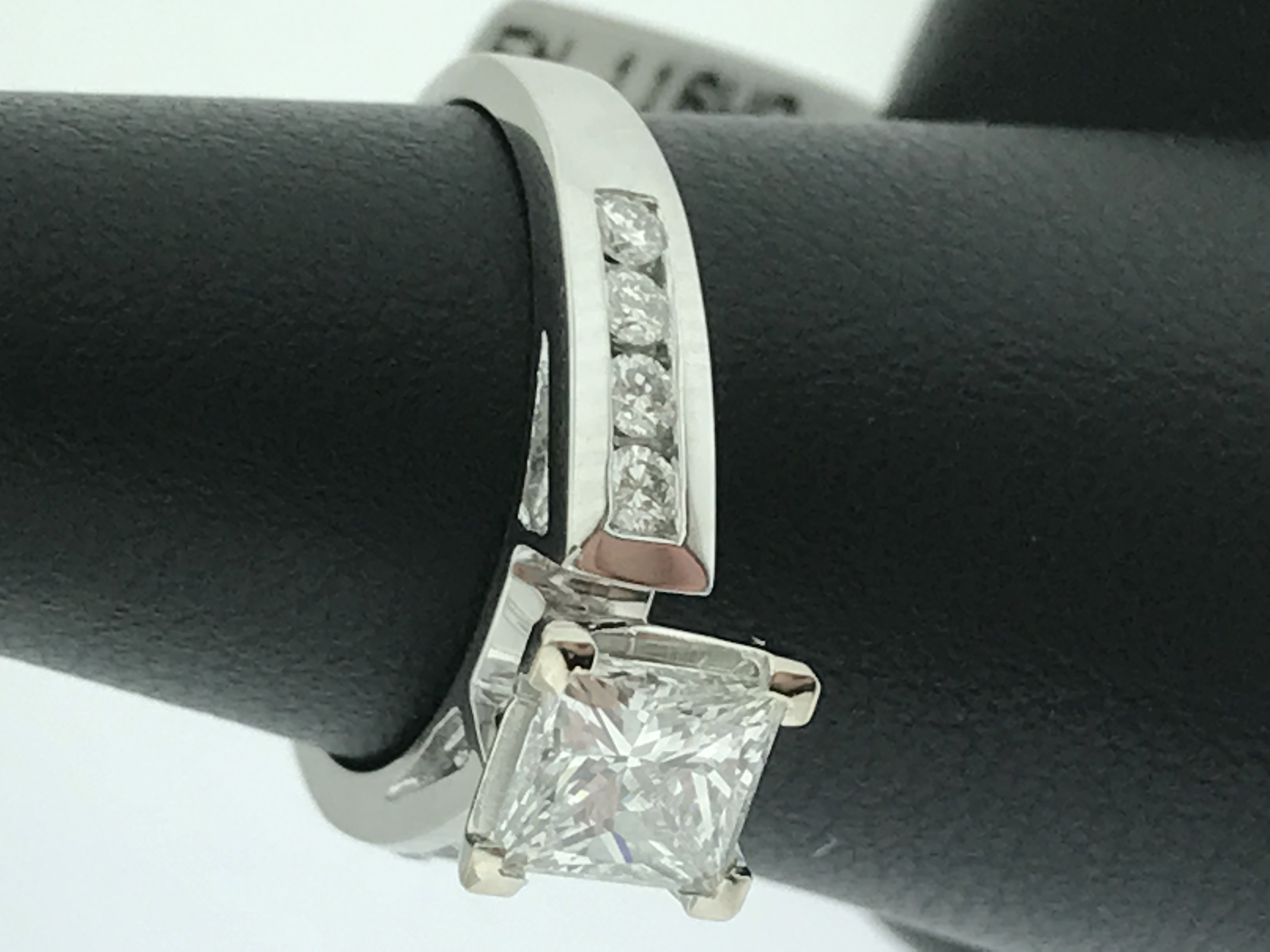
Get an Appraisal First
Before you sell anything, you need to know what you have. An independent appraisal or evaluation is the single most important step in the selling process. Without it, you're negotiating blind.
There are different types of appraisals, and they serve different purposes:
- Insurance Appraisal: This is the replacement value -- what it would cost to buy the same piece new from a retail jeweler. Insurance appraisals are typically the highest valuations because they include retail markup. This is not what you'll get when selling.
- Fair Market Value: What a willing buyer would pay a willing seller in an open market. This is closer to what you can expect, but it's still a general estimate.
- Liquidation Value: What a dealer or jeweler would pay you today to buy the piece outright. This is the most realistic number for immediate sales.
At Diamonds Above in Austin, we provide free evaluations for anyone considering selling their jewelry. We'll test the metals, evaluate the gemstones, and give you an honest assessment of what your pieces are worth on today's market. There's never any pressure or obligation to sell.
If you want a formal written appraisal for documentation purposes, our appraisal services provide detailed reports from certified gemologists.
Understanding Market Value vs. Retail Price
This is where most sellers get frustrated, so let's address it directly: the resale value of jewelry is almost always significantly less than the original retail purchase price. This isn't because buyers are trying to take advantage of you -- it's because retail prices include substantial markups that don't transfer to the secondary market.
Here's what those markups typically cover:
- The retailer's rent, staff, marketing, and overhead (40-60% of retail price)
- Design and manufacturing costs for the setting
- Profit margins at each stage of the supply chain
- Brand premiums (for designer or luxury brand pieces)
When you sell, the buyer is purchasing raw materials (gold, diamonds, gemstones) and craftsmanship at wholesale or near-wholesale prices. A ring you bought for $5,000 might have $2,000-$2,500 in material and stone value. That's the range you can realistically expect to receive.
Understanding this reality upfront prevents disappointment and helps you evaluate offers fairly. A buyer offering you 30-50% of what you paid isn't lowballing you -- they're likely making a fair offer based on the actual material value.
What Affects Your Jewelry's Value
For Gold Jewelry
Gold is valued primarily by its weight and purity (karat). The current gold spot price is the starting point, and you can check it daily at any financial news site. Here's what typical karat purities contain:
| Karat | Gold Content | Relative Value per Gram |
|---|---|---|
| 24K | 99.9% pure gold | Highest |
| 22K | 91.7% pure gold | Very high |
| 18K | 75.0% pure gold | High |
| 14K | 58.3% pure gold | Moderate |
| 10K | 41.7% pure gold | Lower |
Reputable buyers like Diamonds Above typically offer 70-90% of the melt value for gold jewelry. The exact percentage depends on the volume you're selling and current market conditions. Visit our sell gold in Austin page for more details on our gold buying process.
For Diamond Jewelry
Diamond resale value depends on the 4 C's (cut, color, clarity, carat), certification, and current market demand. Certified diamonds from GIA or IGI are worth more than uncertified stones because the buyer has objective proof of quality. Larger, higher-quality diamonds retain a higher percentage of their retail value than smaller or lower-quality stones.
For Branded or Designer Pieces
Jewelry from luxury brands like Tiffany, Cartier, Van Cleef & Arpels, David Yurman, and similar houses can command premiums above their material value -- sometimes significant premiums. Brand recognition, condition, and demand for specific collections all play a role. Having the original box, pouch, and paperwork is especially important for branded pieces.
Where to Sell: Comparing Your Options
Local Jeweler (Our Recommendation)
A reputable local jeweler like Diamonds Above in Austin offers the best overall selling experience for most people:
- Face-to-face evaluation with a qualified expert
- Same-day payment -- no waiting for buyers or auctions
- No fees, commissions, or shipping costs
- Transparent process where you can ask questions
- No risk of fraud, scams, or lost shipments
- Ongoing relationship for future transactions
Online Platforms
Sites like Worthy, I Do Now I Don't, and eBay connect you directly with buyers. You may get a higher sale price for some items, but you'll deal with selling fees (8-18%), shipping and insurance costs, the risk of returns or disputes, and a potentially long wait for the right buyer. This route makes most sense for high-value, well-documented pieces where the potential premium justifies the hassle and risk.
Pawn Shops
Pawn shops offer quick cash but typically at 30-50% of fair market value. They need to factor in their overhead, holding costs, and the fact that they may not specialize in jewelry evaluation. For most jewelry, you'll get a meaningfully better offer from a dedicated jeweler.
Consignment
Some jewelers and boutiques accept jewelry on consignment, displaying and selling it in their store for a percentage of the sale price (typically 20-40% commission). This can yield higher returns for unique or designer pieces but requires patience -- it could take months to find a buyer.
Get a Free Jewelry Evaluation
Bring your jewelry to our Austin showroom for a complimentary, no-obligation evaluation. Same-day payment available if you decide to sell.
Documentation to Gather
Having documentation increases your jewelry's value and speeds up the selling process. Gather whatever you have from this list:
- Diamond certificates (GIA, IGI, AGS, or other lab reports)
- Previous appraisals (even if outdated, they provide reference points)
- Original purchase receipts (prove provenance and original value)
- Warranty cards and brand documentation (critical for designer pieces)
- Original packaging (boxes, pouches, branded bags)
- Service records (shows the piece has been maintained)
- Photos (especially for insurance claims or estate situations)
Don't worry if you don't have everything. A reputable jeweler can evaluate your pieces without any documentation -- they have the tools and expertise to assess quality independently. But having paperwork typically increases the price you'll receive.
Red Flags to Watch For
Unfortunately, not every buyer operates honestly. Here are warning signs to watch for:
- Pressure to sell immediately. Any reputable buyer will give you time to consider their offer. If someone is pushing you to decide right now, walk away.
- Refusing to explain their valuation. A trustworthy buyer will tell you how they arrived at their number -- the gold weight, karat, stone quality, and market factors.
- Offering to test your jewelry in a back room. Evaluations should happen in front of you. Never hand over your jewelry and let it leave your sight.
- Dramatically different offers. If one buyer offers $500 and another offers $3,000 for the same piece, something is off. Get at least two or three evaluations to understand fair market range.
- Unsolicited house calls or mail-in requests. Be wary of businesses that cold-call or send mailers promising top dollar for your gold. Visit established businesses with physical locations and verifiable reputations.
- No scales or testing in view. Professional buyers use precision scales and testing equipment. If they're eyeballing the weight or guessing at karat purity, find a different buyer.
Timing Your Sale
While jewelry isn't as time-sensitive to sell as stocks or real estate, market conditions do affect what you'll receive:
- Gold prices fluctuate daily. If gold is near a multi-year high, it's a favorable time to sell gold jewelry. Track the spot price and consider selling when it's trending upward.
- Diamond demand is seasonal. Engagement ring season (November through February) sees higher demand for loose diamonds, which can benefit sellers. Summer tends to be slower.
- Luxury watch markets have cycles. Pre-owned watch prices can fluctuate significantly based on new model releases, economic conditions, and collector trends. See our Rolex value guide for current market data.
- Estate sales after probate. If you're selling inherited jewelry, take your time. There's no rush, and patience usually yields better results than quick liquidation.
Selling Specific Types of Jewelry
Selling an Engagement Ring
Selling a pre-owned engagement ring often carries emotional weight. From a practical standpoint, the diamond is the primary value component. If you have the GIA or IGI certificate, that significantly helps the evaluation. The setting has some value in the metal content, but the design itself rarely adds much to resale value since settings are highly personal.
Selling Gold Chains, Bracelets, and Earrings
Plain gold jewelry without gemstones is straightforward to sell because its value is based almost entirely on gold weight and karat purity. These are the simplest transactions and you should receive 70-90% of melt value from a reputable buyer.
Selling Inherited or Estate Jewelry
Estate jewelry requires careful evaluation because pieces may be more valuable than they appear. Antique and vintage pieces from certain eras (Art Deco, Art Nouveau, Victorian) can command premiums based on craftsmanship and historical significance. Always have estate jewelry evaluated by someone knowledgeable about antique and period jewelry before accepting an offer.
Frequently Asked Questions
How much can I expect to get when selling my jewelry?
Gold jewelry is typically valued at 70-90% of its melt value (the value of the raw gold content). Diamond jewelry resale values vary based on quality, size, and certification, but generally range from 20-50% of the original retail price. Branded or designer pieces may command higher premiums.
Should I get my jewelry appraised before selling it?
Getting an independent evaluation before selling is highly recommended, especially for valuable pieces. It gives you a baseline understanding of what your jewelry is worth so you can evaluate offers confidently. At Diamonds Above in Austin, we provide free evaluations with no obligation to sell.
Is it better to sell jewelry to a local jeweler or online?
For most people, selling to a reputable local jeweler offers the best combination of fair pricing, immediate payment, and security. Online platforms may yield higher prices for certain items but involve fees (8-15%), shipping risks, longer wait times, and scam potential. A local jeweler provides a face-to-face transaction with same-day payment.
What documentation should I gather before selling my jewelry?
Gather diamond certificates (GIA, IGI), previous appraisals, original receipts, warranty cards, and authenticity certificates. For branded pieces, original packaging and documentation add value. Without documentation, a reputable jeweler can still evaluate your piece, but paperwork typically increases the price.
Ready to Sell? Let's Talk.
At Diamonds Above, we've been buying jewelry from Austin residents for years. Our process is transparent, our evaluations are honest, and we pay competitive prices based on current market values. Whether you're selling a single ring or an entire estate collection, we'll treat your pieces -- and you -- with respect.
Visit us at 4101 Guadalupe St, Suite 600, Austin, TX 78751 or . Call (512) 206-4156 -- Monday through Friday, 10 AM to 6 PM, and Saturday, 10 AM to 4 PM. Walk-ins are always welcome.